
สิ่งที่น่าสนใจจากการสั่งของจากจีนสิ่งที่น่าสนใจจากการสั่งของจากจีน
นอกจากราคาที่ประหยัดและความหลากหลายของสินค้าแล้ว การสั่งซื้อสินค้าจากจีนยังมีข้อดีและสิ่งน่าสนใจอื่นๆ ดังนี้

นอกจากราคาที่ประหยัดและความหลากหลายของสินค้าแล้ว การสั่งซื้อสินค้าจากจีนยังมีข้อดีและสิ่งน่าสนใจอื่นๆ ดังนี้
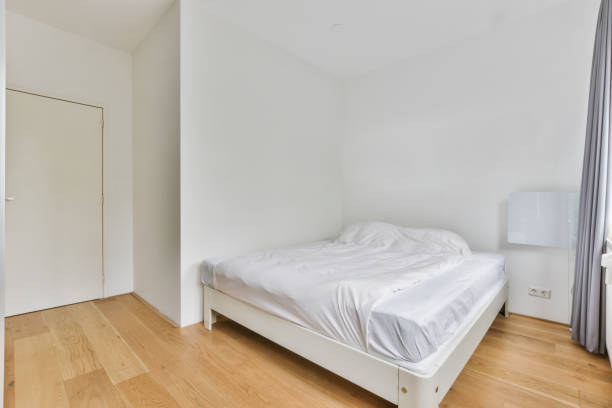
หากคุณกำลังมองหาบริษัทที่รับออกแบบตกแต่งภายใน เพราะต้องการรีโนเวทห้องนอนของคุณให้กลายเป็นห้องในฝัน เราอยากแนะนำให้คุณรู้จักกับ Usfurnish เพราะที่นี่สามารถตอบโจทย์ลูกค้าแบบครบวงจร ไม่ว่าจะเป็นงานออกแบบภายใน งานสร้าง งานผนัง หรือ ผ้าม่านเราก็มีบริการ ครบจบในที่เดียว อีกทั้งเรายังมีโรงงานผลิตเป็นของตัวเอง ดังนั้นไม่ว่าลูกค้าต้องการอะไร เราพร้อมให้บริการหากลูกค้าต้องการออกแบบงาน บิวท์อินห้องนอนเพียงลูกค้าส่งแปลนบ้านหรือคอนโด ที่มีขนาดพื้นที่ชัดเจน เข้ามาให้เราประเมินราคาดูก่อนที่สำคัญ ประเมินฟรีไม่มีค่าใช้จ่าย

สินเชื่อรถยนต์คือการกู้ยืมเงินจากธนาคารหรือบริษัทที่ให้บริการสินเชื่อเพื่อซื้อรถยนต์ โดยที่ผู้กู้ยืมจะต้องชำระเงินคืนในระยะเวลาที่กำหนดและตามเงื่อนไขที่กำหนดไว้ในสัญญา สินเชื่อรถยนต์มักจะมีอัตราดอกเบี้ยและเงื่อนไขการผ่อนชำระเงินที่หลากหลาย เช่น อัตราดอกเบี้ยคงที่หรือแปลผัน ระยะเวลาผ่อนชำระที่ยืดหยุ่น เป็นต้น
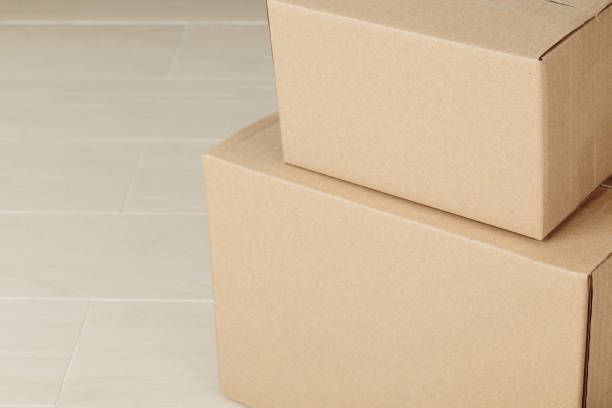
กล่องพัสดุเป็นบรรจุภัณฑ์ที่ใช้ในการบรรจุสิ่งของเพื่อการจัดส่งหรือขนส่ง การเลือกกล่องพัสดุให้เหมาะสมกับการใช้งานและความต้องการของผู้ใช้งาน จะช่วยให้สิ่งของที่บรรจุอยู่ในกล่องพัสดุปลอดภัยและอยู่รอดถึงปลายทาง ปัจจัยที่ควรพิจารณาในการเลือกกล่องพัสดุ ในการเลือกกล่องพัสดุ ควรพิจารณาปัจจัยต่างๆ ดังนี้

ประวัติโรงงานผลิตยาสีฟัน โรงงานผลิตยาสีฟันเป็นสถานที่ผลิตยาสีฟัน โดยกระบวนการผลิตยาสีฟันนั้น เริ่มต้นจากการคัดเลือกวัตถุดิบคุณภาพดี จากนั้นจึงนำมาผสมและบดจนเป็นเนื้อเดียวกัน จากนั้นจึงนำไปบรรจุลงในบรรจุภัณฑ์ ประวัติโรงงานผลิตยาสีฟันนั้น ย้อนกลับไปถึงสมัยอียิปต์โบราณ โดยชาวอียิปต์โบราณใช้ส่วนผสมของสมุนไพรต่างๆ เช่น เกลือ ถ่าน พริกไทย และใบมินต์ มาผสมกันเพื่อทำความสะอาดฟันและช่องปาก ในศตวรรษที่ 16 ชาวยุโรปเริ่มใช้ส่วนผสมของสบู่มาผสมกับผงขัดฟันเพื่อทำความสะอาดฟัน โดยชาวอังกฤษใช้สบู่ผสมกับผงขัดฟันที่ทำจากกระดูกสัตว์หรือเปลือกหอย ชาวฝรั่งเศสใช้สบู่ผสมกับผงขัดฟันที่ทำจากเกลือและเปลือกไข่ ในปี ค.ศ. 1873 ดร.เดวิดไวล์ ชาวอเมริกัน ได้คิดค้นยาสีฟันชนิดแรกที่มีส่วนผสมของผงขัดฟันที่ทำจากหินปูน โซดาไฟ และฟลูออไรด์ โดยยาสีฟันชนิดนี้มีชื่อว่า "ไวล์ส

เพียงหาข้อมูล กรอกข้อมูลและเลือกการชำระเงิน เมื่อเสร็จสิ้นกระบวนการและได้รับเอกสารตอบกลับยืนยันการซื้อประกันภัยก็ถือเป็นเสร็จสิ้น การซื้อประกันรถยนต์ออนไลน์จึงได้รับความนิยมอย่างมากกับผู้ใช้ที่ต้องการความสะดวกสบายและยังเปิดโอกาสให้สามารถเลือกประกันภัยรถยนต์ได้อย่างหลากหลายมากขึ้น ไม่จำกัดเพียงบริษัทใกล้บ้านอีกต่อไป
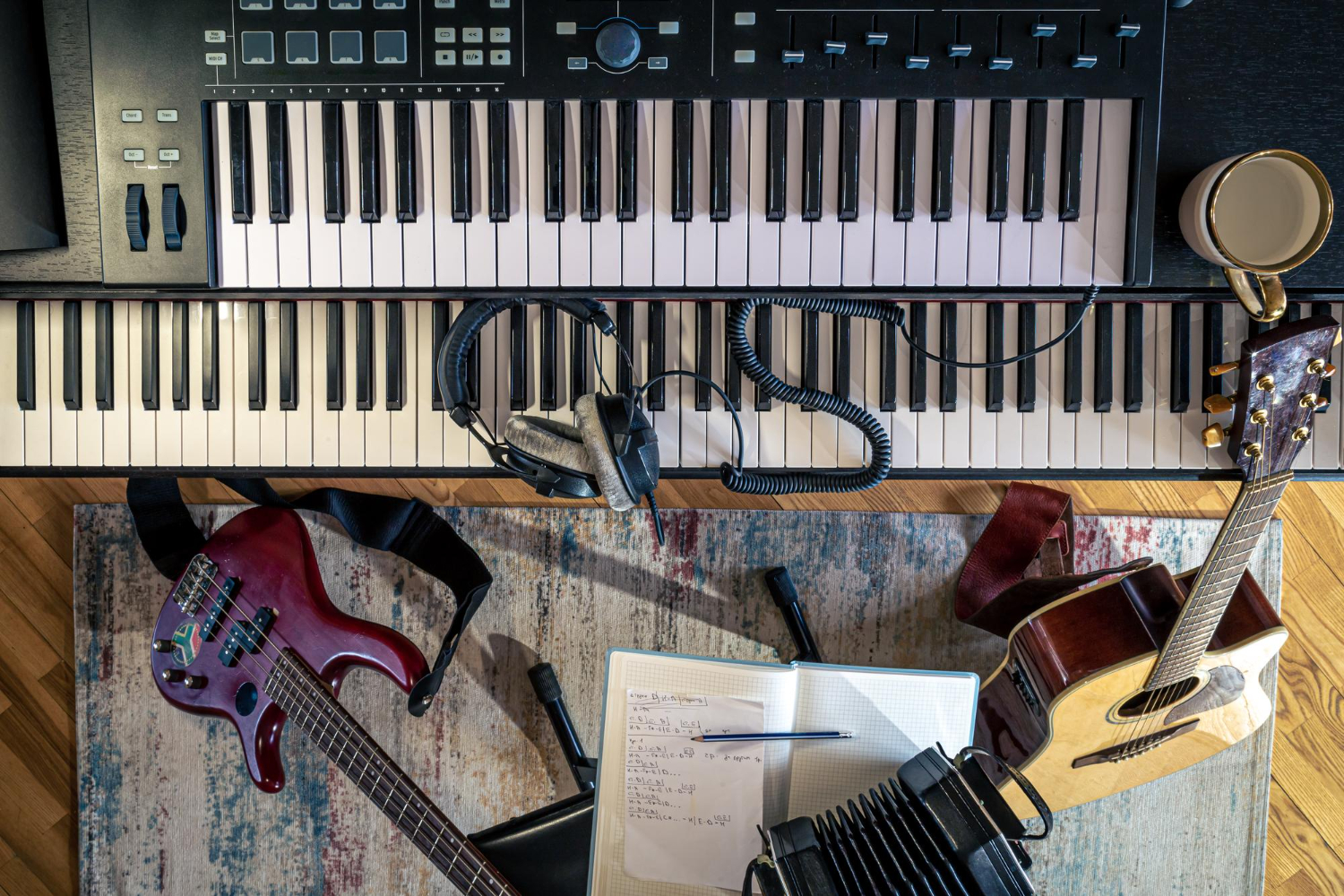
เครื่องดนตรีเป็นสมบัติที่มีค่าสำหรับนักดนตรีทุกคน การดูแลรักษาเครื่องดนตรีอย่างเหมาะสมจะช่วยให้เครื่องดนตรีอยู่กับคุณได้อย่างยาวนานและใช้งานได้อย่างมีประสิทธิภาพ นอกจากนี้ การซ่อมเครื่องดนตรีด้วยตัวเองเบื้องต้นก็สามารถทำได้ไม่ยาก เพียงแค่ศึกษาข้อมูลและปฏิบัติตามคำแนะนำอย่างถูกต้อง การดูแลเครื่องดนตรี การดูแลเครื่องดนตรีอย่างเหมาะสมนั้นสามารถทำได้โดยปฏิบัติตามคำแนะนำจากผู้ผลิตเครื่องดนตรีอย่างเคร่งครัด โดยทั่วไปแล้ว การดูแลเครื่องดนตรีจะมีขั้นตอนดังนี้ การซ่อมเครื่องดนตรี การซ่อมเครื่องดนตรีด้วยตัวเองเบื้องต้นสามารถทำได้สำหรับปัญหาเล็กๆ น้อยๆ เช่น สำหรับปัญหาที่ใหญ่กว่านั้น เช่น รอยแตก หัก หรือชำรุด ควรนำเครื่องดนตรีไปซ่อมที่ร้านซ่อมเครื่องดนตรีที่เชื่อถือได้ เคล็ดลับในการซ่อมเครื่องดนตรีด้วยตัวเอง ตัวอย่างการซ่อมเครื่องดนตรีด้วยตัวเอง การเปลี่ยนสายเครื่องดนตรี การเปลี่ยนสายเครื่องดนตรีเป็นงานซ่อมเครื่องดนตรีที่สามารถทำได้ด้วยตัวเองง่ายๆ ดังนี้ การปรับตั้งเสียงเครื่องดนตรี การปรับตั้งเสียงเครื่องดนตรีเป็นงานซ่อมเครื่องดนตรีที่มีความสำคัญอย่างยิ่ง เพราะจะช่วยให้เสียงของเครื่องดนตรีไพเราะและถูกต้องตามมาตรฐาน การปรับตั้งเสียงเครื่องดนตรีสามารถทำได้ด้วยเครื่องมือที่เรียกว่า “คีมตั้งสาย” ดังนี้
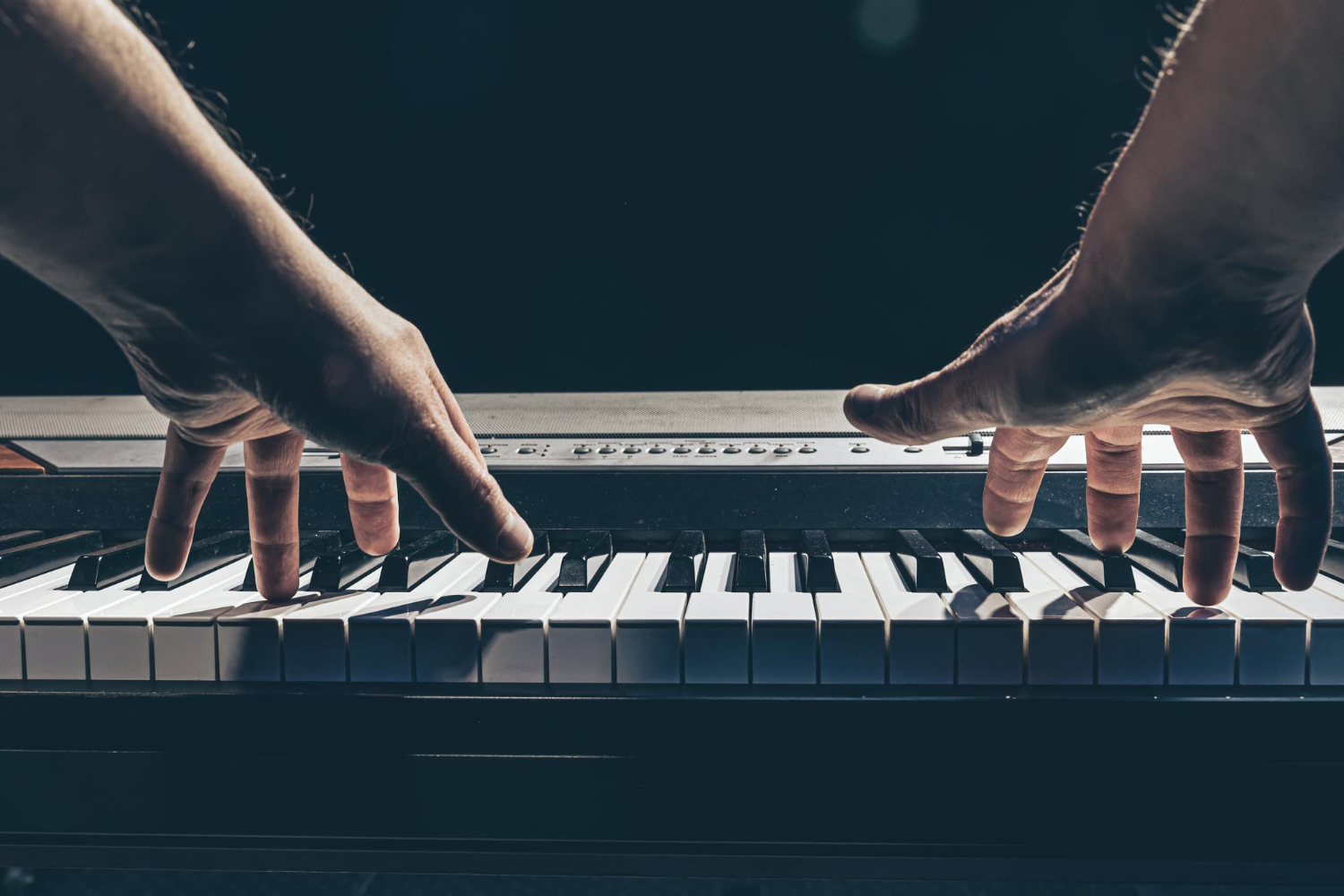
เปียโนไฟฟ้าเป็นเครื่องดนตรีไฟฟ้าที่ได้รับความนิยมอย่างมากในดนตรีป็อปและดนตรีร็อค เปียโนไฟฟ้ามีบทบาทสำคัญในการสร้างสรรค์เสียงดนตรีที่หลากหลายและน่าสนใจ เปียโนไฟฟ้าสามารถจำลองเสียงของเปียโนอะคูสติกได้เกือบสมบูรณ์แบบ นอกจากนี้ยังสามารถจำลองเสียงของเครื่องดนตรีอื่น ๆ เช่น ออร์แกน ซินธิไซเซอร์ กีตาร์ เบส และเครื่องดนตรีอิเล็กทรอนิกส์อื่น ๆ อีกมากมาย ประวัติของเปียโนไฟฟ้า ต้นกำเนิดของเปียโนไฟฟ้าย้อนกลับไปในช่วงปลายศตวรรษที่ 19 เมื่อนักประดิษฐ์ชาวอเมริกันชื่อ เอ็ดวิน หลุยส์ บุชแมน (Edwin Louis Buchman) ได้จดสิทธิบัตรเครื่องดนตรีไฟฟ้าชนิดหนึ่งที่เรียกว่า “คีบอร์ดไฟฟ้า” (Electric Keyboard) ในปี พ.ศ. 2429
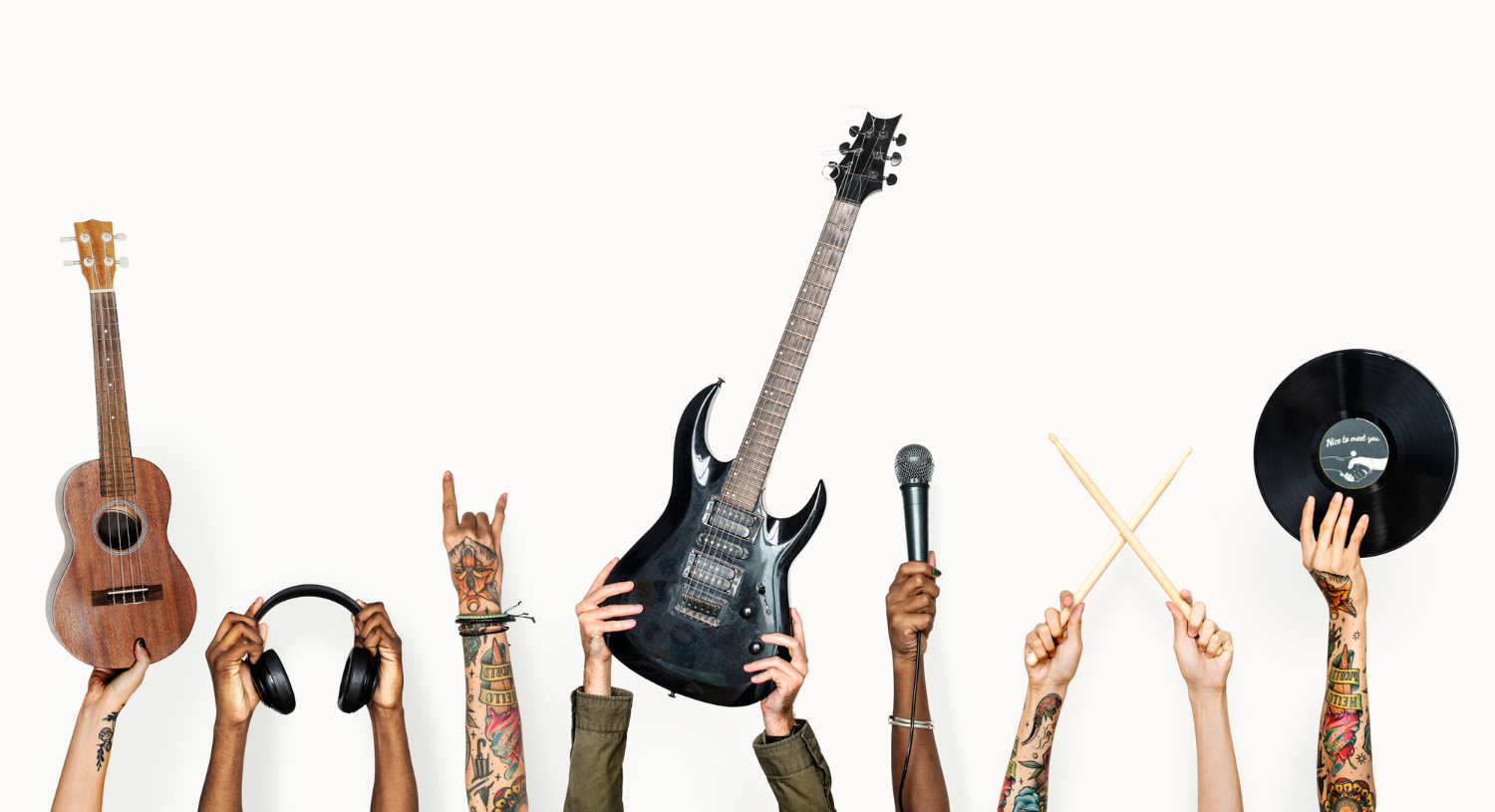
เครื่องดนตรีประเภทเพอร์คัชชัน (percussion) เป็นการจัดประเภทเครื่องดนตรีสากล เครื่องดนตรีประเภทเครื่องกระทบนั้นหมายถึง เครื่องดนตรีที่เกิดเสียงดังขึ้นจากการตี กระทบการสั่น การเขย่า หรือ การเคาะ การตีอาจใช้ไม้ตีหรือใช้สิ่งหนึ่งกระทบเข้ากับอีกสิ่งหนึ่งเพื่อทำให้เกิดเสียง เครื่องประเภทนี้มักประกอบขึ้นด้วยวัสดุของแข็งหลายชนิด เช่น โลหะ ไม้ หรือ แผ่นหนังขึงตึง เครื่องประกอบจังหวะอาจมีชื่อเรียกเป็นคำอื่น เช่น เครื่องตี เครื่องประกอบจังหวะ เป็นต้น เครื่องกระทบเป็นประเภทเครื่องดนตรีที่เก่าแก่ที่สุดชนิดหนึ่ง พบหลักฐานการมีอยู่ของเครื่องกระทบตั้งแต่ยุคหินเก่าตอนต้น มีการค้นพบเครื่องดนตรีหลายชนิดทั้งที่ทำให้เกิดเสียงโดยการเคาะ เป่า และขัดถู ส่วนเครื่องกระทบที่ค้นพบในยุคนี้ส่วนใหญ่จะเป็นการนำหนังสัตว์มาขึงกับตอไม้ที่เจาะกลวงตรงกลางและใช้กระดูกสัตว์ตี เรียกว่า กลองขึงหนัง ในยุคหินกลาง